


Ever since he burst onto the scene in the mid 1990s, Paul Thomas Anderson has been one of the most arresting filmmakers in Hollywood – right up to his latest highly-acclaimed work, One Battle After Another. Whether you’ve followed his career over the years, or are just now exploring the riches of Anderson’s filmography, there’s one movie in particular that serves as the cornerstone to his output, that proved long ago just how special a director he was going to be: Boogie Nights. Available now for the first time ever on 4K Ultra-HD, it’s the perfect time to dial it back to Anderson’s retro masterpiece.
While he launched himself with 1996’s taut small-scale thriller Hard Eight, it was just a year later, on his second, film that Anderson showed what he was capable of. 1997’s Boogie Nights is an explosion of style, music, and colourful characters, interweaving multiple plot threads against a backdrop of the 1970s porn industry. It’s ambitious and accomplished, all from a filmmaker who was only in his mid-20s.
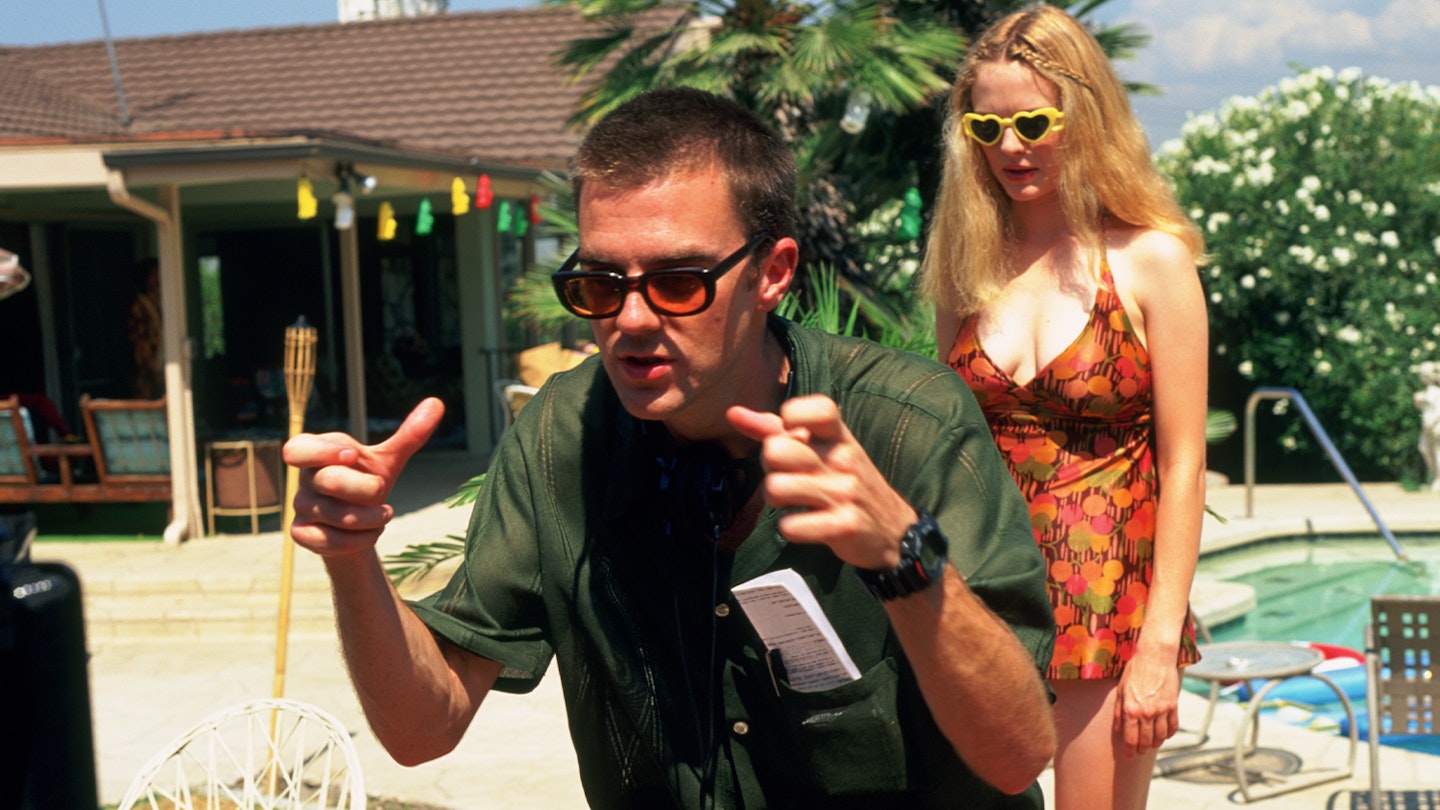
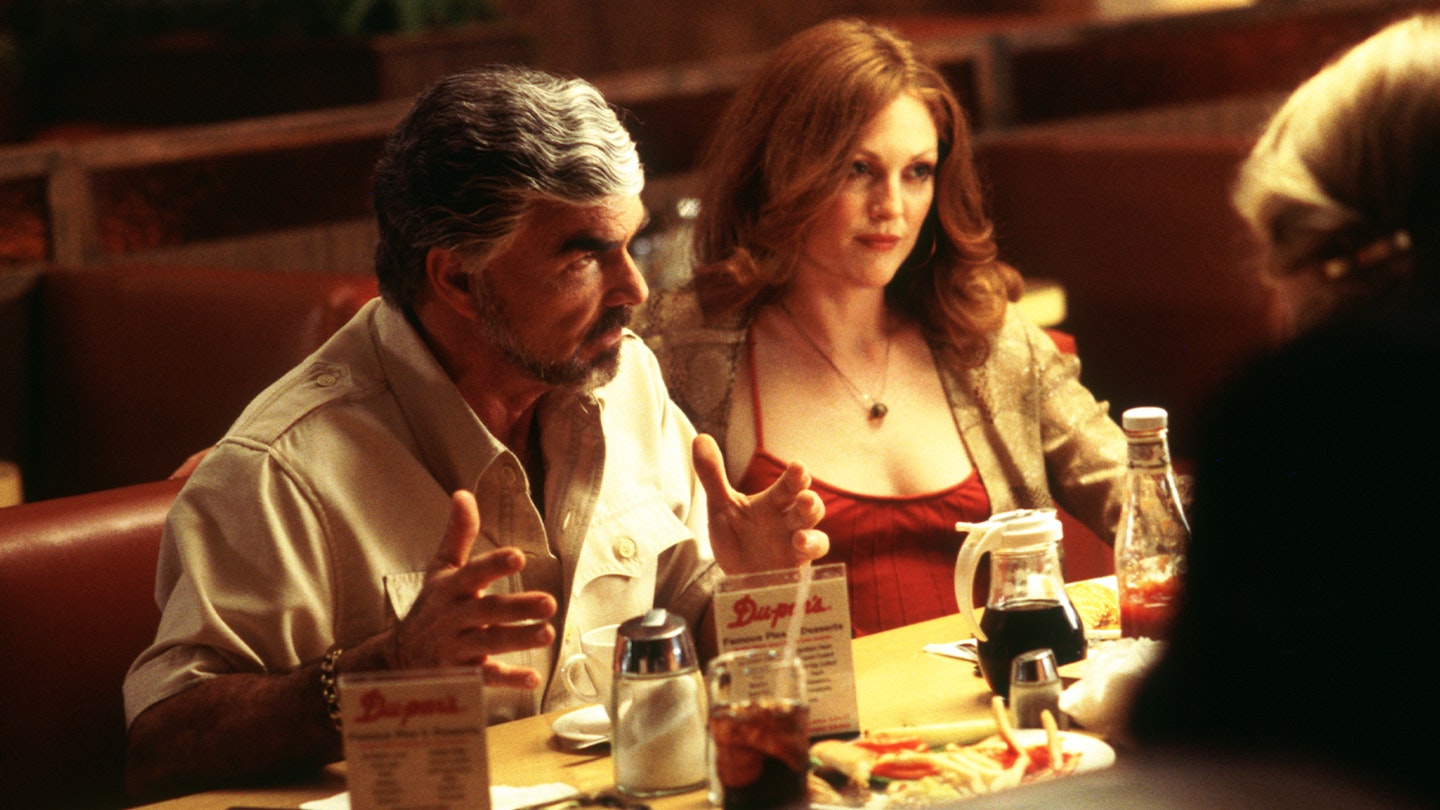
At the heart of it all is the similarly ambitious and accomplished Dirk Diggler, Mark Wahlberg’s central character, who begins the film as nightclub potwasher Eddie, before becoming a shining light of the LA porn scene, under the guidance of Burt Reynolds’ erotica auteur Jack Horner. Along the way, Diggler crosses paths with fellow performers: Julianne Moore’s maternal Amber Waves, Don Cheadle’s stereo enthusiast Buck Swope, John C. Reilly’s good-vibes Reed Rothchild, Heather Graham’s wheel-wearing Rollergirl, among many others.
Across 155 minutes, Anderson charts the rise and fall of Diggler – and the fates of several other characters – as their lives intersect, experiencing a boom in their industry in the ’70s, before the 1980s brings darker times. This kind of sprawling narrative, weaving a tapestry of ensemble players, would go on to be a key element of Anderson’s work, particularly 1999’s Magnolia – and the cast of characters in Boogie Nights stands as one of his greatest. Beyond a career-best performance from Wahlberg, you have an outstanding turn from Reynolds earning both Oscar and BAFTA nods as the filmmaker who brings fresh talent under his wing – and who cares deeply about making quality films, beyond their erotic content.
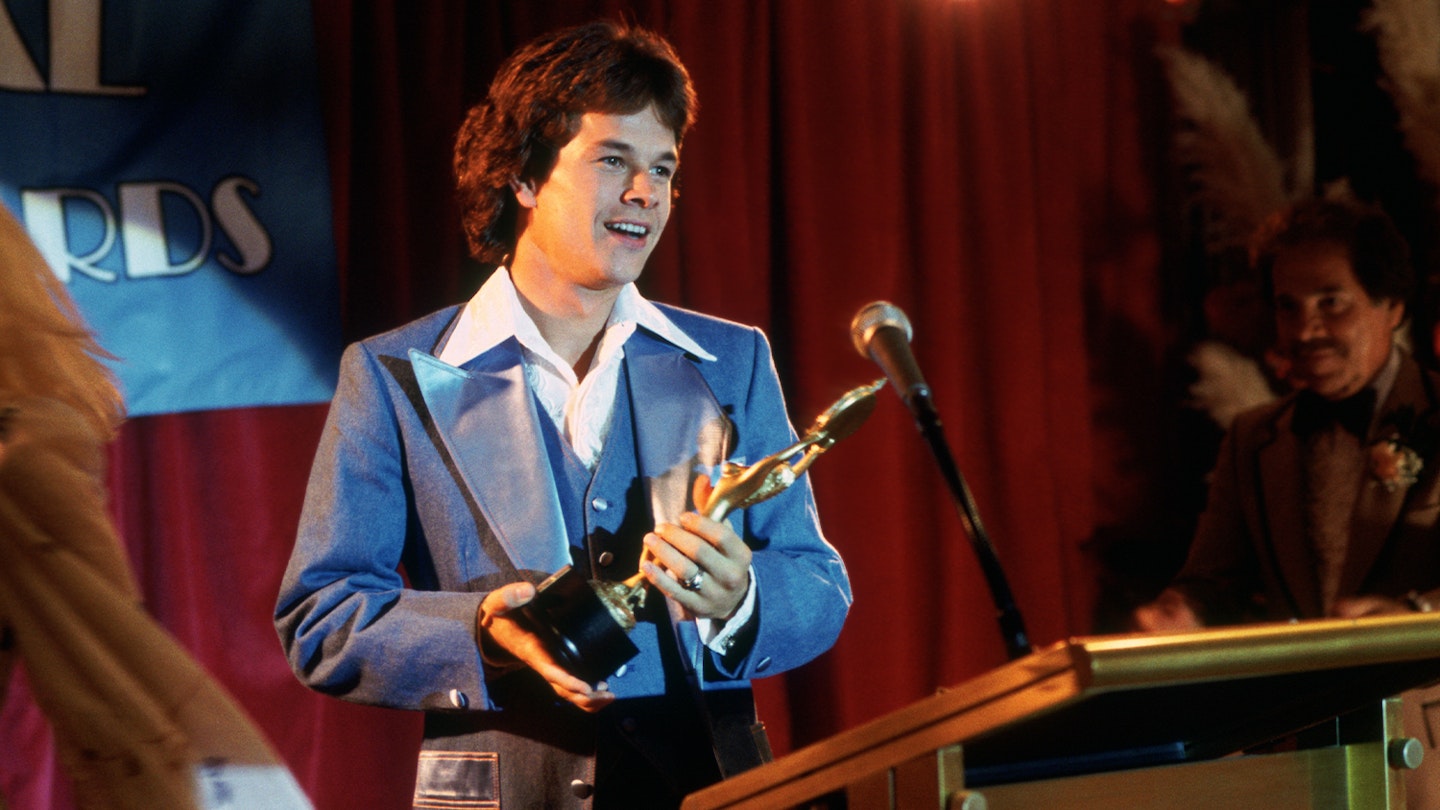
Several of Anderson’s regular collaborators round out the cast. He had worked previously with Reilly and Hoffman on Hard Eight, and brought them on to Boogie Nights – Reilly as Diggler’s best friend and co-star, who shares his enthusiasm for the lifestyle their new careers bring, and Hoffman as Scotty J., the crew member who finds himself enamoured in every way by Diggler. Boogie Nights also marked Anderson’s first collaborations with Julianne Moore and William H. Macy, who’d both work with him again on Magnolia, while Hoffman reunited with the director on that film, plus Punch-Drunk Love and The Master. Anderson’s casts have become legendary, assembling the greatest talents of the time – and Boogie Nights proved just how exceptional his ensembles could be.
The story of Boogie Nights unfolds across the San Fernando Valley in Los Angeles – a major focal point of Anderson’s work. It’s where the director grew up, just north of Hollywood, and has served as the backdrop to several of his films. As well as being set there, Boogie Nights was largely shot on location in the Valley; the Reseda Theater was dressed up for the ‘Boogie Nights’ neon title card in the film’s mind-blowing opening tracking shot, which continues down the street to the Reseda Country Club, dressed up as fictional nightclub ‘Hot Traxx’; legendary recording studio Sound City is featured in the film; the donut shop in that pivotal scene is a real San Fernando donut shop. Anderson’s films are suffused with the energy of the Valley he grew up in, and it’s especially prevalent in Boogie Nights.
With Boogie Nights, it became clear that Anderson was on track to become one of the greatest directors of all time. It thrums with energy, filled with jaw-dropping extended tracking shots; it juggles those sprawling character threads with ease, never dropping the pace; and it’s all tied together by a non-stop flow of disco classics, bringing the era to vivid life. Nearly three decades after it first arrived, it looks and sounds better than ever on 4K Ultra-HD, with brighter colours, sharper picture, and pitch-perfect sound quality. Getting absorbed in its story is the perfect way to spend a (boogie) night.
Via Empire Online


Be the first to reply